
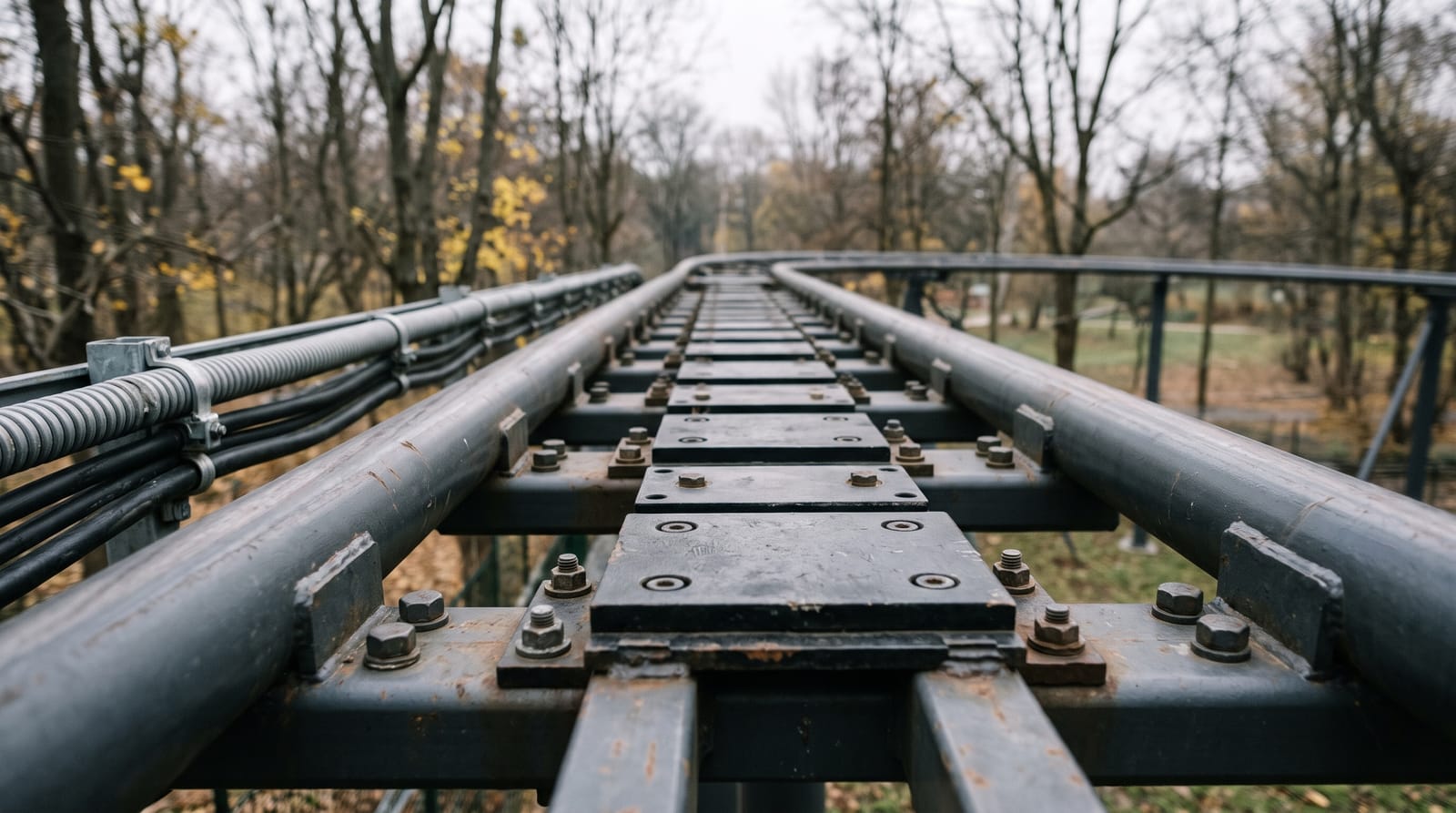
Vienna’s Prater has run a miniature steam railway since 1928. The family that owns it is now building a second train on the plot next door, and this one does not need a boiler.
What happened
Lilis Welt, the operator behind the Liliputbahn miniature railway in the Wiener Prater, is building a family roller coaster called Flying Lili. Austrian outlet MeinBezirk reported on 4 November that the name was chosen by a four-person jury from 292 reader suggestions, and that the first ride is expected “voraussichtlich”, meaning provisionally, in April 2027.
Managing director Anna Kleindienst-Jilly told MeinBezirk back in June that the idea had been in the family’s heads for “six, seven years”, and that she wanted a ride parents and children could share, since so many Prater attractions suit only one or the other. Riders will be admitted from 1 m (3 ft 3 in) tall.
The coaster stands on the site of the Super 8er Bahn, the Prater’s old Pinfari coaster. RCDB records that ride as closing at the end of the 2022 season, sold to a ride broker in India and dismantled in April 2023. The plot has been empty since.
The detail
Lilis Welt itself has said only that it chose a German manufacturer. RCDB lists that manufacturer as Mack Rides, and German trade site ThemePark-Central reports the same.
| Flying Lili | Source | |
|---|---|---|
| Manufacturer | Mack Rides | RCDB; ThemePark-Central |
| Track length | About 600 m (1,969 ft) | MeinBezirk; RCDB |
| Height | 20 m (66 ft) | MeinBezirk; RCDB |
| Propulsion | LSM launch | RCDB; “electromagnets” per MeinBezirk |
| Inversions | None | RCDB |
| Train | Three cars, 12 riders, lap bars | RCDB |
| Minimum rider height | 1 m (3 ft 3 in) | MeinBezirk |
| Opening | Provisionally April 2027 | MeinBezirk |
No top speed has been published, so we have not guessed at one. The train is styled after the Liliputbahn’s steam locomotives, according to both RCDB and Vienna outlet 5min.at, and the track threads between mature trees and over the miniature railway itself. Kleindienst-Jilly has described planning a route around those trees as far from trivial.
On timing, the sources differ slightly. 5min.at, reporting on 17 November, quotes the operator as planning test runs for spring 2027 with the official opening “in the course of the 2027 season”. Treat April as the hope, not the promise.
What it actually means
Start with the propulsion, because the Austrian coverage has been vague about it. The reports say the ride will be driven “by electric motors” or “by electromagnets”, and will be the first of its kind in Austria. Every chain lift is driven by an electric motor, so that phrasing alone tells you nothing. What RCDB actually lists is an LSM launch: a linear synchronous motor, which is an electric motor unrolled flat along the track. Computer-switched electromagnets in the track push and pull against magnets under the train, with no chain, cable or lift hill. We cover the physics in our guide to how launch coasters work.
So the claim worth testing is “Austria’s first LSM-launched coaster”. That is the operator’s claim, and we could not find an earlier Austrian example to contradict it. But note the precise wording you can defend: first launched by linear motor, not first electric coaster.
Why launch a family ride at all? Because of the plot. A lift hill is a long straight ramp, and this site is a showman’s lot hemmed in by old trees, public paths and a working railway. A launch gets the train to speed in a short straight at ground level and leaves the rest of the 600 m for the layout.
The more interesting line in RCDB’s entry is one the operator has not mentioned: a vertical rollback. That term describes a dead-end spike of track pointing skywards. The train runs up it, stalls, and rolls back down the way it came. If the listing is right, part of the ride is travelled backwards, which is a neat way to get more ride out of a small plot. It is RCDB’s listing, not a confirmed feature, so we would wait for a layout drawing before promising your children a reverse section. Mack is building a much larger version of the same idea in France, in Nigloland’s Stryker shuttle coaster.
Then there is the solar claim. MeinBezirk reports that the ride’s electricity will come from Lilis Welt’s own photovoltaic system. An LSM draws its power in a burst of a few seconds, at whatever hour the train happens to leave the station, so this will in practice be a balance across the year, with the grid smoothing the peaks. It is still a reasonable thing to do; just don’t picture sunlight flowing straight into the stators.
Finally, the swap itself. RCDB gives the Super 8er Bahn as 780 m (2,559 ft) long and 21 m (69 ft) high. Its replacement is shorter and marginally lower. The Prater is not chasing a record here; it is replacing an ageing Pinfari steel coaster with a quiet, modern family ride from the firm that built its Wiener Looping, a Mack BigDipper that opened in 2025 and a sibling of the launched BigDipper going up at Conny-Land.
The Dispatch verdict
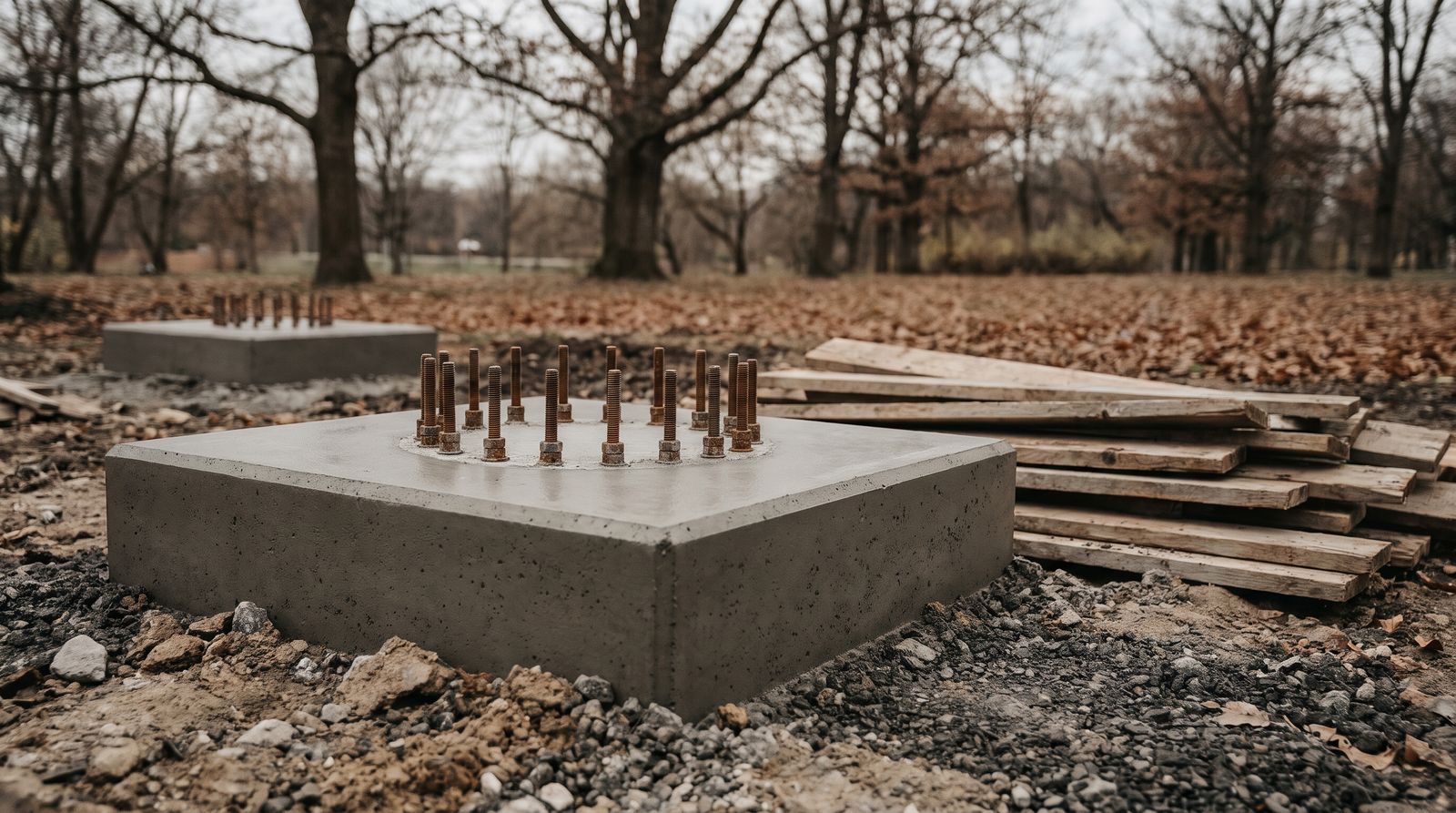
A well-judged ride for an awkward site: a launch where a lift hill would not fit, a 1 m height limit that takes in most of the family, and a manufacturer with a strong reliability record. What remains unconfirmed is the speed, the layout, the reverse section and the opening date. With foundations still going in this autumn, April is ambitious, as our guide to how coasters are built explains. The locomotive that flies can afford to arrive a little late.
Further reading: how LSM and hydraulic launches work, how roller coasters are built, Conny-Land’s launched Mack BigDipper, Nigloland’s Mack shuttle coaster and our guide to the manufacturers.